India’s accounting world is changing fast. For years, bookkeeping meant thick ledgers, endless data entry, and lots of coffee-fueled late nights. But today, thanks to Artificial Intelligence (AI), accounting is getting a major upgrade - especially for small and medium businesses. Let’s see what this means to you.
Manual Bookkeeping: The Traditional Approach
Manual bookkeeping is what most Indian businesses grew up with. Every sale, purchase, or expense was written down by hand in what we lovingly call “bahi khata.” Accountants would take pains to enter each transaction, reconcile accounts, and prepare reports at the end of the month or year.
While this method gives a personal touch and deep understanding of your business, it also comes with challenges:
Time-Consuming: Entering data and matching invoices can take hours, sometimes days.
Prone to Mistakes: Humans make errors, especially with repetitive tasks. A single slip can mess up your entire financial report.
Hard to Scale: As your business grows, so does the paperwork. More transactions mean more work and more staff.
Delayed Insights: You only get reports after the month ends, so decisions are often based on old information.
Compliance Headaches: With frequent GST and tax changes, staying compliant manually is tough and risky.
AI Bookkeeping: The Smart New Way
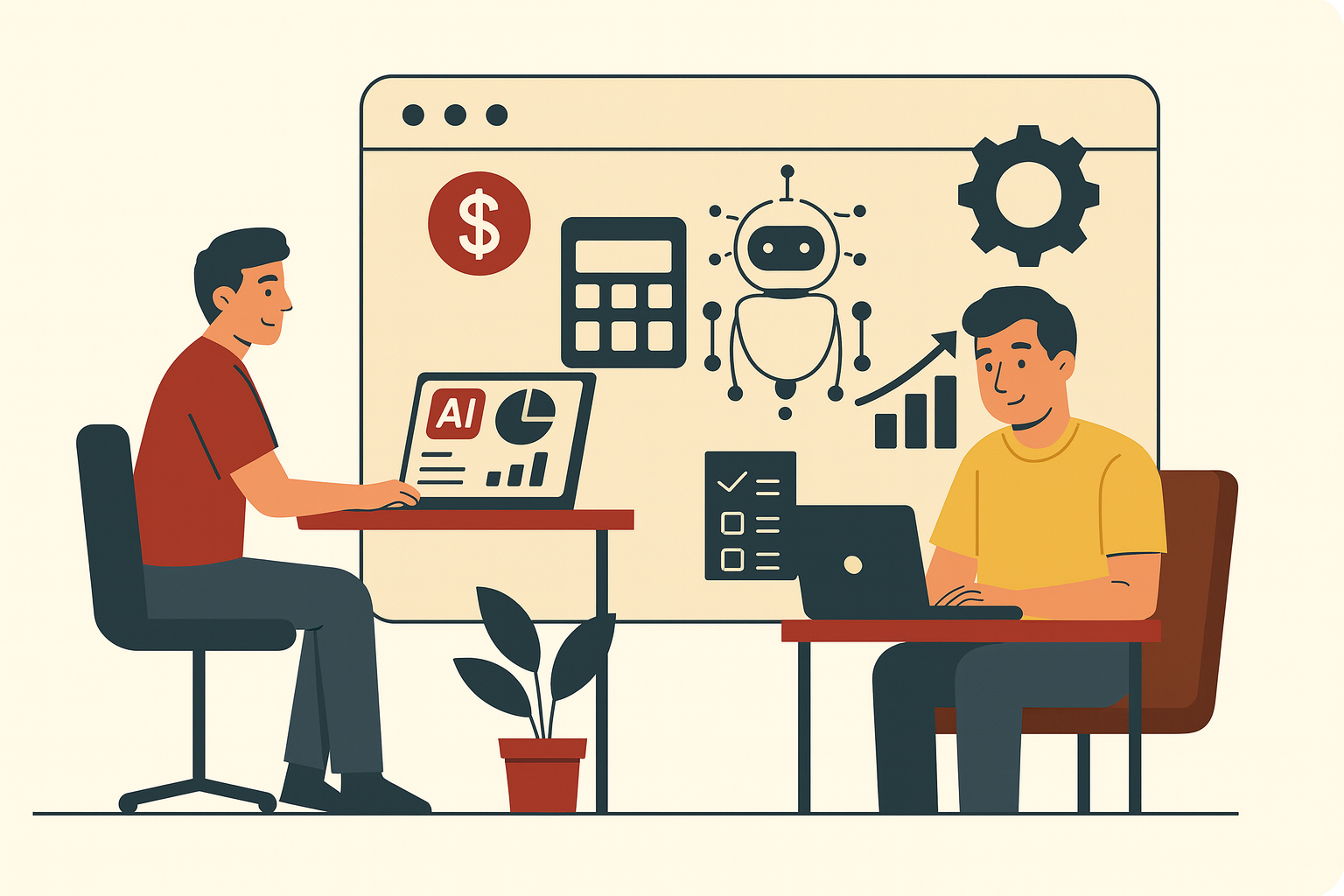
AI-powered accounting software is like having a super-efficient assistant. It learns from your data, automates boring tasks, and gives you real-time updates. Here’s how it works:
Automatic Data Entry: AI scans receipts, invoices, and bank statements, and enters data for you.
Expense Categorization: It sorts your expenses and matches invoices to payments, flagging any mismatches right away.
Real-Time Reports: You get live dashboards showing your cash flow, profits, and expenses; helping you make faster, smarter decisions.
GST & Tax Compliance: AI tools keep up with the latest GST rates and rules, auto-filling returns and spotting errors before you submit.
Fraud Detection: AI spots unusual patterns or duplicate invoices, reducing the risk of fraud.
Scalability: Whether you have 100 or 10,000 transactions a month, AI handles it all without extra staff.
Data Security: Your financial data is protected with encryption and secure storage.
AI vs. Manual Bookkeeping: A Quick Comparison
Feature
Manual Bookkeeping
AI Bookkeeping
Time Spent
Hours or days
Minutes
Error Rate
Higher (human mistakes)
Very low (automated)
Scalability
Needs more staff
Handles more with ease
Cost
Ongoing salaries
Subscription or one-time
Compliance
Risk of missing changes
Auto-updates with rules
Insights
Delayed
Real-time
Customization
High (personal touch)
Moderate, but improving
Fraud Detection
Manual checks
Automated alerts
Why AI Is the Future of Accounting in India
Efficiency and Speed: AI works at lightning speed; what used to take days now takes minutes. Less paperwork means more time to grow your business.
Accuracy and Reliability: AI doesn’t get tired or distracted. It catches errors instantly, keeping your books accurate; especially helpful during audits or loan applications.
Real-Time Decision Making: You don’t have to wait for monthly reports. With AI, you get live updates on your finances, so you can spot problems early and grab opportunities quickly.
Better Compliance: GST and tax laws keep changing. AI-powered software updates itself automatically, so you stay compliant and avoid penalties.
Cost-Effective: Hiring a full-time bookkeeper can be expensive. AI tools are affordable and grow with your business which is perfect for startups and MSMEs.
Security and Trust: With cyber threats on the rise, AI accounting solutions use encryption and multi-factor authentication to keep your data safe.
Where Human Bookkeepers Still Matter
AI is powerful, but it can’t replace human judgment, strategy, or personal relationships. Here’s where people still shine:
Strategic Planning: Interpreting data, advising on business growth, and helping with financial planning.
Complex Problem Solving: Handling unique situations or tricky regulatory challenges.
Personal Touch: Building trust with business owners and offering tailored solutions.
The best approach? Let AI handle repetitive work, while humans focus on strategy and relationships.
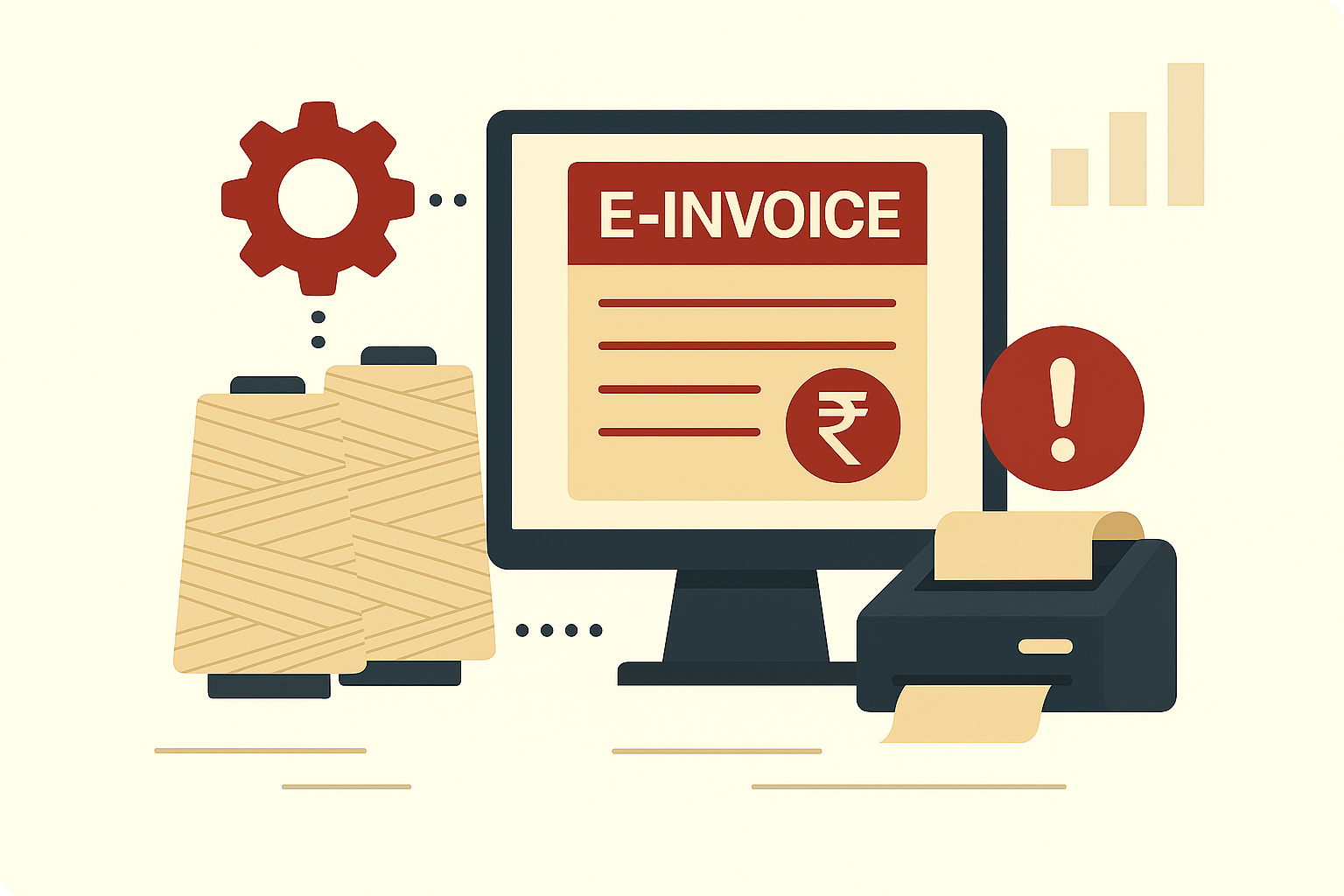
Real-Life Example: Textile Business in Surat
Imagine a textile business owner in Surat. With manual bookkeeping, they spend hours each week entering sales, matching payments, and worrying about GST returns. Mistakes happen, and sometimes GST credits are missed.
With AI-powered accounting software:
Sales and purchase data are captured automatically from invoices and bank accounts.
The system matches payments, flags mismatches, and reminds us about GST filings.
The owner gets real-time reports and alerts, helping them make quick decisions.
When GST rules change, the software updates itself—no more compliance headaches.
Result? More time for business, fewer errors, and peace of mind.
The Road Ahead
As India’s business world goes digital, AI in accounting isn’t just a trend - it’s the future. Manual bookkeeping will always have its place for those who prefer a personal touch. But for most businesses, especially as businesses grow, AI-powered solutions offer unmatched speed, accuracy, and convenience.
If you’re still relying on manual bookkeeping, now is the time to explore AI-driven accounting software. It’s the smart way to stay compliant, make better decisions, and keep your business ready for whatever comes next.


Leave a comment